
Victoria Falls Adventure Guide Top Thrills Culture and Travel Tips

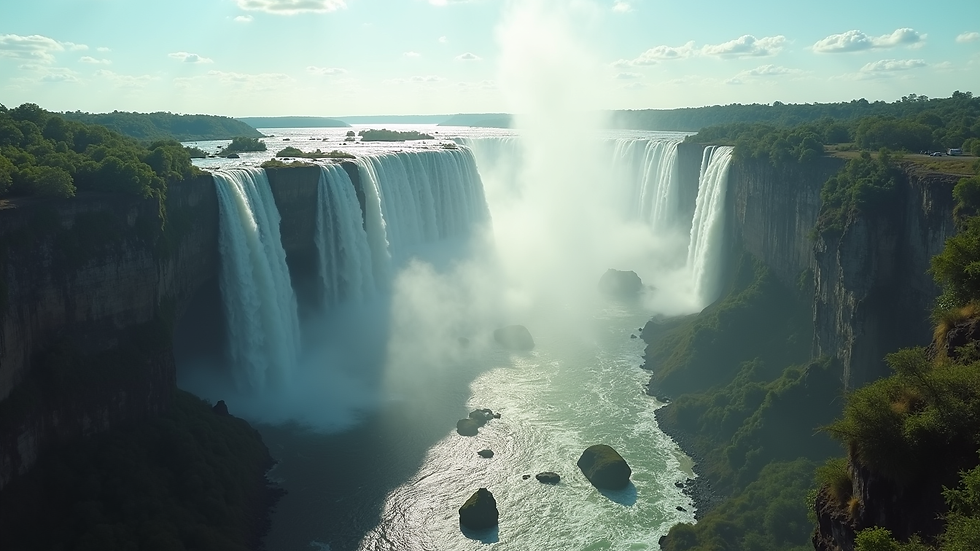
Victoria Falls is not a place that eases you in. The ground trembles, mist rises like smoke, and the Zambezi River drops into a basalt gorge with a force you can feel in your chest. Known locally as Mosi-oa-Tunya, “The Smoke That Thunders,” the falls sit on the border of Zimbabwe and Zambia and deliver one of Africa’s most unforgettable travel experiences.
This is a destination for travelers who want more than a viewpoint. The best trips combine high-adrenaline adventures, slow cultural encounters, wildlife, river sunsets, and time to simply stand near the spray and listen.

Start with the viewpoints on both sides of the falls
Before booking the biggest thrills, spend time walking the rainforest trails and viewpoints. Victoria Falls changes by season, time of day, and even wind direction. One minute the gorge is clear. The next, mist sweeps across the paths and turns the whole scene silver.
On the Zimbabwe side, Victoria Falls National Park offers a long string of viewpoints with sweeping, front-facing views of the main curtain of water. This side is especially good if the goal is to take in the scale of the falls and walk at an easy pace between lookouts.
On the Zambia side, Mosi-oa-Tunya National Park brings you closer to certain sections of the falls, especially around Knife-Edge Bridge when water levels allow. During high-water months, expect heavy spray and soaked clothes. During lower-water months, rock formations become more visible, and some seasonal activities may open.
If possible, visit both sides. They feel different, and each side adds a new layer to the experience.
Practical tip
Pack a lightweight rain jacket or poncho, a dry bag for your phone and passport, and shoes with grip. The paths can get slick, especially when spray is heavy.
Feel the rush with bungee jumping from Victoria Falls Bridge
For many travelers, bungee jumping is the boldest line on the Victoria Falls bucket list. The jump takes place from Victoria Falls Bridge, which spans the gorge between Zimbabwe and Zambia. The drop is about 364 feet, with the Zambezi River far below and the falls thundering nearby.
The setting is what makes this jump special. It is not just the height. It is the bridge, the canyon, the sound of the river, and the strange quiet just before the countdown.
Most operators include a safety briefing and equipment checks before the jump. Some also offer bridge swings or zipline-style activities nearby for travelers who want the gorge experience without committing to a full bungee.
Is it worth it?
Yes, if you enjoy adrenaline and are comfortable with heights. The jump is over fast, but the memory lasts. If nerves hit hard, walk out onto the bridge first and watch a few people go. That can either calm you down or confirm that a helicopter ride is more your style.
Take on the Zambezi with white-water rafting
White-water rafting below Victoria Falls is one of the most intense river adventures in Africa. The Zambezi cuts through steep black-rock gorges, creating powerful rapids with names that sound like warnings for a reason.
Rafting conditions change with the river level. The experience can range from wild and technical to less accessible during periods of very high water. Operators adjust routes based on safety, season, and daily conditions.
Expect a full-body adventure. You may paddle hard, get soaked, climb in and out of the gorge, and flip into warm river water. Guides usually provide helmets, life jackets, paddles, and a safety briefing before launching.
Who should go
White-water rafting suits active travelers who can swim, listen to guide instructions, and handle a physically demanding day. It is not the best choice for anyone with certain medical conditions, recent injuries, or low comfort in moving water.
How to prepare
Wear secure water shoes or strapped sandals.
Avoid loose sunglasses unless they have a strap.
Use sunscreen that will not run into your eyes.
Bring dry clothes for after the trip.
Listen closely during the safety talk, especially raft commands and rescue instructions.
The reward is huge. Between rapids, the gorge feels remote and almost prehistoric. Cliff walls rise above the river, birds glide in the heat, and the roar of the falls fades behind you.
See the whole wonder from a helicopter
A helicopter tour gives context that ground viewpoints cannot. From above, the Zambezi appears calm as it spreads toward the lip of the falls, then suddenly vanishes into a long crack in the earth. The spray plume rises, the gorge zigzags downstream, and the surrounding landscape opens in every direction.
Many travelers know this flight by its famous nickname, the Flight of Angels. Short flights focus on the falls and nearby gorge. Longer flights may include more of the river and surrounding wilderness.
Window seats are best for photography, but every seat usually gets a good view as the pilot circles. Morning flights can bring softer light, while afternoon flights may give stronger contrast. Weather, mist, and cloud cover can affect visibility.
Photography tip
Use a fast shutter speed if shooting through the window, and wear dark clothing to reduce reflections in the glass. Put the camera down for a minute too. The scale of the falls is easier to feel when you are not watching it through a screen.

Add river cruises, wildlife, and quieter adventures
Victoria Falls is not only about extreme sports. The Zambezi River above the falls offers a much calmer side of the destination. A sunset cruise is a classic way to slow down after a high-energy day.
On the water, keep watch for hippos, crocodiles, elephants, and birdlife along the banks. Sightings are never guaranteed, but the river at golden hour is worth the trip even without a major wildlife moment.
Other lower-adrenaline options include:
Guided walking tours near the falls
Canoeing on calmer stretches of the river
Game drives in nearby parks
Birdwatching with a local guide
Gorge walks with scenic viewpoints
Spa time after rafting or long travel days
If you want one full day without getting soaked or shaken up, plan a river cruise, a market visit, and a long dinner. The reset will make the next adventure even better.
Visit local markets and support artisans
The towns around Victoria Falls and Livingstone have lively craft markets where travelers can shop for carvings, textiles, baskets, jewelry, paintings, and stone sculpture. These are good places to buy souvenirs directly from makers or vendors, and they also offer a chance to learn about local materials and styles.
Bargaining is common in many markets, but it should stay friendly. A good rule is to treat the exchange as a conversation, not a contest. If a price feels too high, negotiate politely or move on with a smile.
Look for items that are easy to pack and allowed through customs at home. Avoid buying wildlife products, shells, feathers, or anything that may involve protected species.
Better ways to shop
Carry small bills in the local currency or widely accepted cash.
Ask before taking photos of people or stalls.
Buy from more than one vendor if you can.
Choose handmade items over mass-produced souvenirs.
Learn the story behind a piece before buying it.
Markets are not just shopping stops. They are places to talk, listen, and notice daily life beyond the main tourist sites.
Engage with Culture in a respectful way
Cultural experiences can be a highlight of a Victoria Falls trip when approached with care. Around the region, visitors may have opportunities to join guided village visits, attend traditional dance performances, share meals, or learn about the customs of communities connected to the area.
The key is choosing experiences that benefit local people and avoid treating culture like a showpiece. Ask operators how communities are paid, who leads the visit, and what the experience includes. A good cultural visit should feel guided by the community, not staged only for outside cameras.
Indigenous and local communities in the wider region have long histories tied to the river, land, trade routes, and changing borders. A thoughtful guide can add context that makes the trip richer. Instead of only asking about traditions, ask about food, farming, language, school life, music, and how tourism affects the area.
Respectful travel habits
Ask for permission before photographing people.
Dress modestly when visiting villages or community spaces.
Learn a few local greetings.
Do not enter homes, sacred spaces, or private areas without being invited.
Pay fairly for guided visits, crafts, and performances.
Culture is not an add-on to the falls. It is part of understanding the place.
Choose the best time to visit
There is no single perfect month for Victoria Falls. The best time depends on what you want most: roaring water, clear views, rafting, photography, or access to seasonal pools.
Season | What to expect | Best for |
February to May | High water and heavy spray after regional rains | Power, drama, mist, lush scenery |
June to August | Strong flow with better visibility than peak spray months | Balanced views, cooler weather, general sightseeing |
September to November | Lower water, warmer days, clearer rock formations | Rafting, photography, some seasonal activities |
December to January | Rains may begin, flow starts to build | Fewer crowds, green landscapes, changing conditions |
High water brings drama but can hide parts of the falls behind mist. Low water brings clearer views of the gorge and rock face, but the curtain of water may be lighter on some sections, especially on the Zambia side.
For many first-time visitors, the middle months after peak flow offer a strong balance. If white-water rafting is the main goal, check with operators before booking flights, since river conditions affect routes and availability.
Know the safety basics before you go
Victoria Falls is an adventure hub, and most activities are well-established. Still, the environment is powerful. Water levels change, rocks get slippery, wildlife is present, and adventure sports carry real risk.
Choose licensed, experienced operators for bungee jumping, rafting, helicopter flights, and wildlife activities. Read recent reviews, ask about safety procedures, and do not be shy about checking equipment standards. A good guide will welcome practical questions.
Safety essentials
Stay behind barriers at viewpoints.
Do not swim near the falls or enter restricted river areas.
Follow guide instructions during rafting and gorge activities.
Keep a safe distance from wildlife, even on hotel grounds or riverbanks.
Use sun protection, especially during hotter months.
Drink plenty of water.
Carry travel insurance that covers adventure activities.
Keep passports and border documents dry and secure.
If crossing between Zimbabwe and Zambia, check visa rules before traveling. Requirements can change, and the right visa depends on nationality, route, and whether multiple crossings are planned.
Plan your days so the trip flows well
A smart Victoria Falls itinerary leaves room for both adrenaline and recovery. Activities often start early, and heat or spray can wear you out faster than expected.
A balanced three-day plan could look like this:
Day one
Arrive, settle in, and walk the falls viewpoints. Book a sunset cruise for a calm first evening.
Day two
Choose your biggest thrill, such as white-water rafting, bungee jumping, or a gorge swing. Keep the evening relaxed with dinner and an early night.
Day three
Take a helicopter flight in the morning, then visit a local market or join a guided cultural experience in the afternoon.
With more time, add wildlife viewing, a second visit to the falls from the other country, or a slower day in Livingstone or Victoria Falls town.
Make the most of every moment at the falls
The best Victoria Falls trips mix awe with intention. Do the thrilling thing if it calls to you. Jump, paddle, fly, hike, cruise, and get soaked by the spray. Then slow down enough to meet people, ask questions, and understand the place beyond the postcard view.
Pack light, plan around the season, respect the river, and choose guides who know the land well. Victoria Falls rewards travelers who arrive ready for adventure and leave space for wonder.


Comments