
Explore Livingstone and Beyond: Top Attractions in Zimbabwe, Zambia, and Botswana

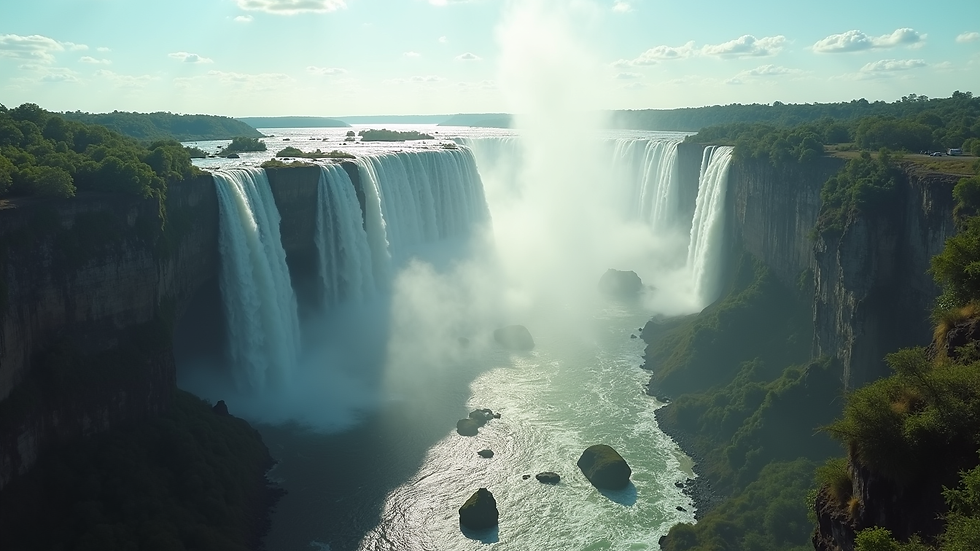
Stand on the edge of the Zambezi Gorge and the first thing you feel is not the view. It is the sound. Victoria Falls rolls through the air before it appears, a deep, steady roar that explains why local communities call it Mosi-oa-Tunya, “The Smoke That Thunders.”
That sound is the perfect starting point for a trip through Livingstone and its surrounding region. From this historic Zambian town, it is easy to reach Zimbabwe’s rainforest viewpoints, Botswana’s elephant-rich Chobe National Park, river villages, craft markets, colonial-era landmarks, and some of southern Africa’s most memorable adventure activities.
This corner of the continent rewards travelers who like variety. One day can begin with a sunrise over Victoria Falls and end with a sunset cruise on the Zambezi. The next can bring a safari drive in Botswana, a walk across the Victoria Falls Bridge, or a meal shared with local hosts in Livingstone. For travelers planning a multi-country route, Explore Livingstone and Beyond: Top Attractions in Zimbabwe, Zambia, and Botswana is more than a trip idea. It is one of the most compact and rewarding ways to experience southern Africa.

Start in Livingstone, Zambia’s adventure gateway
Livingstone sits close to Victoria Falls on the Zambian side of the Zambezi River. It has a relaxed pace, friendly local character, and the practical advantage of being near several major attractions. Many travelers use it as a base for two to five days, especially if they want easy access to the falls, river activities, cultural visits, and day trips into Botswana or Zimbabwe.
The town blends history and adventure in a way that feels natural. You can spend the morning at a museum, the afternoon on a game drive, and the evening watching the Zambezi glow orange at sunset. Lodges range from simple guesthouses to upscale riverside stays, and tour operators can arrange everything from guided walking tours to cross-border safaris.
Livingstone is also a good place to slow down. Between major excursions, make time for:
Maramba Market, where vendors sell produce, fabrics, household goods, and local foods.
Local craft stalls, especially for baskets, carved wooden items, textiles, and beadwork.
Zambezi River sundowners, which offer one of the easiest ways to enjoy the water without a high-adrenaline activity.
Neighborhood restaurants and cafés, where menus often mix Zambian staples with traveler-friendly options.
A good Livingstone itinerary balances famous sights with everyday local experiences. The falls may be the headline, but the town gives the trip texture.
Visit Victoria Falls from both Zambia and Zimbabwe
Victoria Falls is one of the world’s great natural wonders, and it deserves more than a quick photo stop. The waterfall spans the border between Zambia and Zimbabwe, and each side offers a different experience.
On the Zambian side, visitors can explore paths inside Mosi-oa-Tunya National Park. During high-water months, the spray can be intense, so a light rain jacket or poncho is useful. In lower-water periods, the rock formations and the shape of the gorge become clearer, and some seasonal activities may become available when conditions are safe.
On the Zimbabwean side, the walking paths offer broad, classic views of the curtain of water. The rainforest trail follows a series of viewpoints, each revealing a different angle. This side is especially popular with photographers because it often provides a wider view of the falls.
If time allows, see both. The border crossing makes the experience feel like a true regional journey, and the contrast is part of the appeal.
What to do at Victoria Falls
The falls are not just a scenic stop. They anchor a wide range of activities, from easy walks to serious adventure.
Popular options include:
Rainforest walks
These guided or self-guided paths lead to viewpoints along the gorge. Expect mist, rainbows, slick stone, and dramatic sound.
Victoria Falls Bridge visit
The bridge links Zambia and Zimbabwe and offers a close view into the gorge. It is also a historic landmark, opened in the early 20th century as part of the railway route through the region.
Helicopter or microlight flights
Aerial views reveal the full scale of the falls, the zigzagging gorge, and the Zambezi River above and below the drop. Availability depends on weather and local regulations.
Devil’s Pool or Livingstone Island
These seasonal activities operate only when water levels and safety conditions allow. They are among the most famous experiences on the Zambian side, but timing matters.
Whitewater rafting
The rapids below the falls are known for powerful water and dramatic scenery. This is best for travelers who are comfortable with high-energy adventure and who book with experienced operators.
Even if adventure sports are not the goal, the falls are still unforgettable. Walk slowly. Stop often. Let the sound and mist do the work.
Cross into Zimbabwe for viewpoints, history, and small-town charm
The town of Victoria Falls in Zimbabwe is close to the waterfall entrance, which makes it easy to visit for a day or stay overnight. It has a compact traveler center, craft markets, restaurants, and access to several activities around the gorge and river.
The Zimbabwe side is especially strong for panoramic waterfall views. Many travelers feel this side gives the most complete perspective of the main curtain of water, especially during periods when the flow is strong across the entire width of the falls.
Beyond the rainforest trail, the area offers several worthwhile stops.
Walk the Victoria Falls Bridge
The Victoria Falls Bridge is both a border crossing and a piece of engineering history. It spans the deep gorge below the falls and connects Zambia and Zimbabwe. Even a short walk onto the bridge gives a striking view of the gorge, the spray, and the river far below.
For adventure travelers, the bridge area is also known for bungee jumping and other high-adrenaline activities. For others, the main attraction is the setting itself. The combination of ironwork, mist, and canyon walls makes it one of the most memorable man-made landmarks in the region.
Visit local markets and craft centers
Zimbabwean craft markets near Victoria Falls are good places to look for stone sculpture, wood carvings, textiles, and jewelry. Bargaining is common, but it should be done respectfully. A good exchange feels fair on both sides.
Buying directly from makers or local vendors helps keep more money in the community. If you have limited luggage space, smaller pieces such as seed jewelry, woven bowls, or printed fabrics are easier to carry home.
Add a Zambezi sunset cruise
Sunset cruises run on both the Zambian and Zimbabwean sides of the river. They are popular for good reason. The pace is slow, the light is soft, and wildlife sightings are possible along the banks. Hippos, crocodiles, and birds are often part of the scene, though sightings always depend on the day.
This is one of the best low-effort ways to enjoy the Zambezi after a busy morning at the falls.
Take a safari day trip to Chobe National Park in Botswana
Chobe National Park is one of Botswana’s most famous wildlife areas, and it is surprisingly reachable from Livingstone. Many travelers visit as a day trip through the Kazungula border area, while others stay longer near Kasane to spend more time on safari.
Chobe is especially known for elephants. Large herds often gather near the Chobe River, particularly in the dry season when water sources become more important. The park is also home to buffalo, giraffes, antelope, crocodiles, hippos, and many bird species. Predators such as lions and leopards also live in the park, though sightings are never guaranteed.
A classic Chobe visit combines two experiences:
River safari
Boats move along the Chobe River, often getting close views of elephants, hippos, crocodiles, and waterbirds.
Game drive
Open vehicles explore the park’s tracks in search of mammals, birds, and changing scenes along the riverfront.
The river safari is what sets Chobe apart. Watching elephants drink, swim, or move along the bank from the water gives a different perspective than a standard vehicle safari. It is calm, close, and often excellent for photography.
For a day trip, leave early and keep documents ready for border formalities. Visa rules can change, so confirm requirements before traveling. If the schedule allows, spending one or two nights near Kasane gives the park more breathing room and improves the chance of varied wildlife sightings.
Explore Mosi-oa-Tunya National Park near Livingstone
Mosi-oa-Tunya National Park is smaller than major safari parks such as Chobe, but its location near Livingstone makes it highly accessible. It stretches along the Zambezi River and includes riverine habitats, grassland, and wildlife viewing areas.
The park is known for game drives and guided walks, depending on current rules and operator offerings. Wildlife can include zebra, giraffe, antelope, buffalo, and many birds. The park is also associated with white rhino conservation, and guided rhino walks may be available through approved operators.
This is a good choice for travelers who want a safari experience without committing to a long transfer. It also works well for families or first-time safari-goers who prefer a shorter outing.
Morning and late afternoon are usually the most comfortable times for wildlife viewing. The light is softer, temperatures are cooler, and animals are often more active than in the middle of the day.

Make time for culture, food, and community experiences
The best trips around Livingstone include more than parks and viewpoints. Local cultural experiences add context to the region and help travelers understand how people live near these famous natural landmarks.
Look for experiences that are respectful, community-led, and transparent about where fees go. Options may include village visits, cooking experiences, craft workshops, music and dance performances, or guided market walks.
In and around Livingstone, cultural experiences can include:
Learning how local dishes are prepared, including foods served with nshima, a staple made from maize meal.
Visiting craft makers who work with baskets, textiles, beads, or carved wood.
Taking a guided walk through a local market to learn about ingredients, daily trade, and regional produce.
Attending a traditional performance where music, drums, and dance are presented with explanation rather than as a quick photo stop.
A thoughtful cultural experience should feel like an exchange, not a show staged only for visitors. Ask questions, listen well, and follow your guide’s lead on photography.
Discover Livingstone’s historical landmarks
Livingstone has a layered history shaped by Indigenous communities, trade routes, colonial expansion, railway development, and tourism around Victoria Falls. A few stops help bring that history into focus.
Livingstone Museum
The Livingstone Museum is one of Zambia’s best-known museums and a useful first stop for travelers who want background before exploring the area. Exhibits cover archaeology, ethnography, natural history, and the life of David Livingstone, the Scottish missionary and explorer after whom the town was named.
The museum gives context to the region without requiring much time. It is especially helpful before visiting the bridge, the falls, or nearby cultural sites.
Railway Museum
The Railway Museum in Livingstone highlights the role of rail travel in connecting the region. Old locomotives and railway equipment show how transport shaped trade, settlement, and tourism. For travelers interested in engineering or colonial-era history, it is a worthwhile stop.
Jewish Museum and local heritage sites
Livingstone also has lesser-known heritage sites connected to communities that helped shape the town’s commercial and social life. Availability and opening times can vary, so check locally before planning a visit.
These historical stops balance the outdoor focus of the trip. They also work well during hot midday hours, when walking trails and game drives can be less comfortable.
Add adventure for a bigger Zambezi experience
Livingstone has earned its reputation as an adventure hub. The Zambezi Gorge creates a natural playground for travelers who want more than sightseeing.
Common adventure activities include:
Whitewater rafting below Victoria Falls
Bungee jumping from the Victoria Falls Bridge
Gorge swings and zipline activities
Helicopter or microlight flights over the falls
Canoeing on calmer stretches of the upper Zambezi
Quad biking or horseback riding in nearby areas, depending on operators
Safety should guide every choice. Use licensed operators, ask about equipment, follow briefings, and be honest about your comfort level. Some activities are seasonal, especially those affected by river levels.
For travelers who prefer less intensity, scenic flights, sunset cruises, and guided nature walks still deliver a strong sense of adventure without the same physical demands.
Plan a route that connects three countries smoothly
One reason this region is so appealing is how easily Zambia, Zimbabwe, and Botswana can fit into one itinerary. The distances between Livingstone, Victoria Falls town, and the Kasane or Chobe area are manageable, but border crossings and activity timings still require planning.
A simple five-day route could look like this:
Day | Base | Main experience |
1 | Livingstone | Arrive, visit the market, enjoy a Zambezi sunset cruise |
2 | Livingstone | Explore Victoria Falls on the Zambian side and visit Livingstone Museum |
3 | Victoria Falls or Livingstone | Cross to Zimbabwe for rainforest viewpoints and the bridge |
4 | Kasane or Livingstone | Take a Chobe river safari and game drive |
5 | Livingstone | Add Mosi-oa-Tunya National Park, a cultural visit, or an adventure activity |
If you have more time, spend at least one night near Chobe. A longer stay gives you time for early and late safari activities, which are often the most rewarding parts of the day.
The best season depends on priorities. Higher water levels create dramatic spray at Victoria Falls, while drier months can improve wildlife viewing around rivers and waterholes. Since conditions vary by year, check recent local guidance before booking activities tied to water flow.
Travel with respect for wildlife and local communities
This region’s beauty depends on healthy ecosystems and strong local communities. Small choices can make a real difference.
Keep these habits in mind:
Choose ethical wildlife activities and avoid places that allow unsafe or unnatural animal interactions.
Stay on marked paths near the falls and gorge.
Keep a respectful distance from wildlife, even from a boat or vehicle.
Ask before taking photos of people, homes, or ceremonies.
Buy crafts directly from local makers when possible.
Carry reusable water bottles when safe and practical, and reduce single-use plastics.
Good travel here is not complicated. Be curious, patient, and respectful. The reward is a richer trip and a lighter footprint.
Why Livingstone is the ideal base for a regional adventure
Livingstone works so well because it places major experiences within easy reach. Victoria Falls brings the drama. Zimbabwe adds sweeping viewpoints and historic atmosphere. Botswana’s Chobe National Park delivers world-class wildlife viewing. The Zambezi ties it all together with cruises, rapids, riverbanks, and sunset light.
Few destinations offer this much variety in such a compact area. In one trip, you can walk through rainforest mist, watch elephants along the Chobe River, stand on a historic bridge between two countries, learn from local guides, and return each evening to the easy rhythm of Livingstone.
The best approach is to give the region enough time. Do not treat it as a one-photo stop. Stay a few days, cross a border or two, mix action with culture, and let the Zambezi shape the pace. This part of southern Africa is bold, welcoming, and deeply memorable, and Livingstone is the perfect place to begin.


Comments